

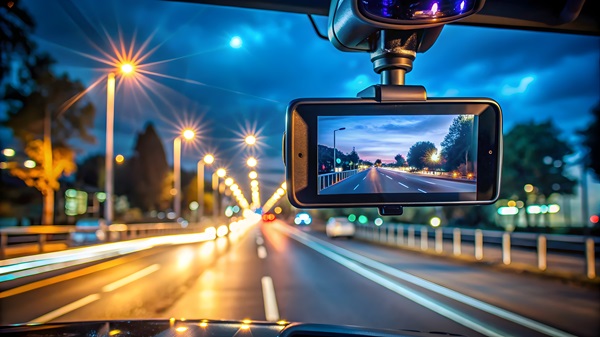
A DUI arrest can feel like everything is already decided before you even step into a courtroom. Roadside tests and an officer’s report can make it seem like the outcome is set in stone. But in many South Carolina DUI cases, what actually happened isn’t just written in a report. It’s captured on video.
Dashcam and surveillance footage can either support the prosecution’s case or raise serious doubts about what actually happened. At Matt Bodman, P.A., we’ve seen how the right footage can shift the direction of a case, sometimes in ways people never expected.
Why Video Evidence Matters In DUI Cases
In a South Carolina DUI case, much of the prosecution’s argument often relies on the arresting officer’s observations. These can include claims about erratic driving, slurred speech, or failed field sobriety tests. But video footage shows what actually happened in real time.
Video evidence can:
- Confirm or Contradict the Traffic Stop: Whether the driver actually committed a traffic violation
- Show Driving Behavior Clearly: Swerving, speeding, or driving normally before the stop
- Capture Field Sobriety Tests: How the tests were explained and performed
- Reveal Officer Conduct: Tone, instructions, and whether procedures were followed properly
- Document Physical Appearance: Balance, coordination, and speech patterns
For DUI cases, videos can become one of the most important pieces of evidence.
Common Sources of DUI Video Evidence
Not all DUI cases involve just one camera. In many situations, there are multiple sources of footage that may need to be reviewed and preserved quickly.
Common sources include:
- Police Dashcams: Mounted in patrol vehicles, recording the traffic stop and interaction
- Body Cameras: Worn by officers during roadside testing and arrest
- Traffic Cameras: Positioned at intersections or along major roadways
- Business Surveillance Systems: Gas stations, restaurants, or stores near the stop location
- Residential Security Cameras: Doorbell or home systems that capture nearby activity
South Carolina has one of the strictest mandatory recording laws in the country. Under state law, the police are required to record your conduct from the moment they activate their blue lights until the conclusion of the breath test. If an officer fails to record the field sobriety tests or the Miranda warnings at the incident site, it could lead to a dismissal of your charges. We meticulously audit every second of footage to ensure the "mandatory" part of the law was actually followed.
Challenging Your Arrest with Mandatory Recording Laws
Video evidence is often the most objective witness in the room. While an officer’s report might describe "stumbling," the dashcam footage might show that you were actually struggling with a steep, unpaved shoulder or blinding high-beams from passing traffic. As a former Assistant Solicitor, Matt Bodman knows how prosecutors use video to build a narrative, and how to dismantle it when the footage doesn't match the officer's written claims.
For example, an officer might claim a driver failed a field sobriety test due to balance issues, but the video could show uneven pavement, poor lighting, or unclear instructions. Those details matter because field sobriety tests depend heavily on proper conditions and accurate administration.
Even small inconsistencies between a police report and video footage can raise reasonable doubt. And in a DUI case, doubt can make a difference in how the case is resolved.
When Video Evidence Can Hurt Your Case
It’s important to be realistic about what footage can show. In some situations, video evidence may strengthen the prosecution’s case.
Footage may capture:
- Clear Signs Of Impairment: Stumbling, slurred speech, or confusion
- Dangerous Driving Behavior: Swerving across lanes or nearly causing a crash
- Statements Made During The Stop: Admissions about drinking or substance use
- Refusal or Performance During Testing: Actions that may be interpreted negatively
This is why reviewing footage early is critical. Understanding what it shows allows a defense strategy to be built around the facts, not assumptions.
Why Acting Quickly Matters
Video evidence isn’t always preserved forever. Many surveillance systems automatically overwrite footage within days or weeks. If no action is taken, important evidence can disappear before it’s ever reviewed.
That’s why timing plays such a major role in DUI cases involving video.
At Matt Bodman, P.A., we move quickly to identify potential sources of footage and take steps to preserve it. Whether it’s requesting dashcam video or securing surveillance from a nearby business, early action can protect evidence that might otherwise be lost.
When videos disappear, so does the opportunity to use them in your defense.
The Trial Ready Defense of a Former Prosecutor
A DUI charge in South Carolina carries serious penalties, from license suspension to fines and possible jail time. But the outcome of your case is not determined at the moment of arrest. It’s shaped by the evidence, how it’s challenged, and how your defense is built.
At Matt Bodman, P.A., we approach every case with a trial-ready mindset from day one. As a former prosecutor, Matt Bodman understands how DUI cases are built and where weaknesses can exist, especially when video evidence is involved.
If you’ve been charged with DUI in Columbia or anywhere in South Carolina, don’t assume the evidence is stacked against you. There may be more to the story than what’s written in the report.
Contact Matt Bodman, P.A., today for a free consultation and find out what your defense could look like before critical evidence is lost.
"I was extremely pleased with my experience with Matt Bodman as my attorney! He is attentive, patient, answers calls, and is easy to communicate with. I felt more confident and relaxed throughout my experience. EXCELLENT at his job!!" - Holly R.,⭐⭐⭐⭐⭐